The world of Ancient Rome was rich with cultural and social practices, but few aspects of Roman life were as captivating or as impactful as their sports. From the blood-soaked arenas of gladiatorial combat to the thunderous excitement of chariot racing in the Circus Maximus, Roman sports were not merely entertainment—they were a reflection of power, politics, and societal values. These spectacles captured the spirit of an empire and demonstrated the blend of discipline, violence, and grandeur that defined Roman culture.
The Rise and Ritual of Gladiatorial Combat
Gladiatorial combat was one of the most iconic features of Ancient Roman sports, a brutal yet highly organized form of entertainment. The roots of gladiator games trace back to Etruscan funerary traditions, where warriors fought to honor the dead. Over time, the Romans adopted and transformed these rituals into grand spectacles for public amusement and state propaganda.
Gladiators were typically slaves, prisoners of war, or criminals, but their status was paradoxically revered. Trained in specialized schools known as ludus, gladiators honed their skills under the watchful eyes of lanistae (gladiator trainers). They were categorized based on their fighting styles, weaponry, and armor. For instance, the heavily armored murmillo, wielding a short sword and large shield, often fought the lightly equipped retiarius, who used a trident and net.
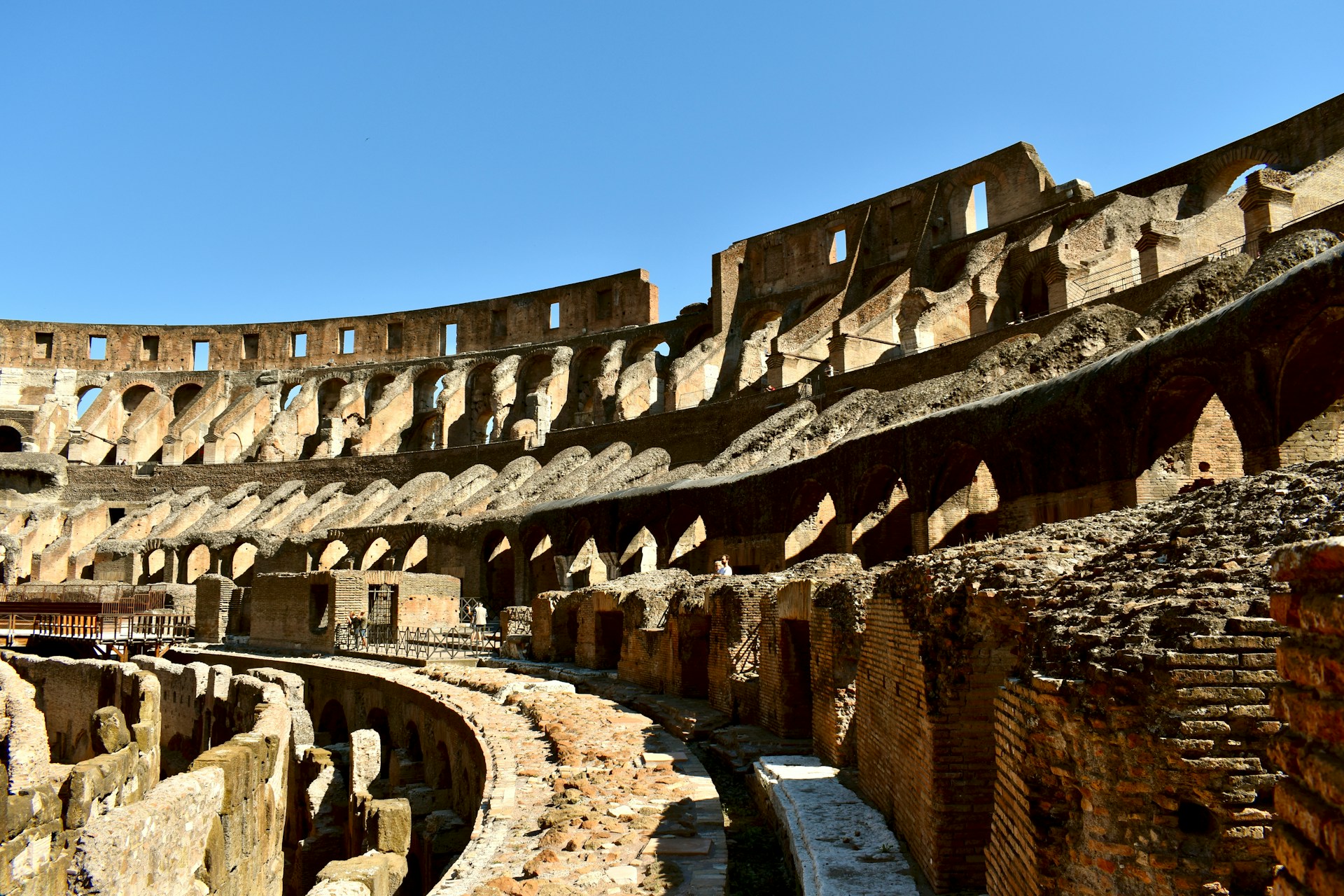
These combats were staged in grand amphitheaters like the Colosseum, where tens of thousands of spectators gathered to watch bloody duels, mock naval battles, and wild animal hunts. The games were not only about raw violence; they were choreographed displays of bravery, skill, and endurance. The crowd played a pivotal role, deciding the fate of fallen gladiators by their cheers or jeers. A thumbs-up or thumbs-down could mean life or death, showcasing the Roman penchant for collective power in decision-making.
Gladiatorial games also served as a tool for political leverage. Emperors and wealthy patrons sponsored these events to gain favor with the populace, demonstrating their generosity and reinforcing their dominance. While the games entertained, they also reinforced the social order, emphasizing the disparity between the elite and the subjugated.
Despite their grim nature, gladiators became folk heroes, inspiring legends and admiration. Some, like Spartacus, transcended the arena, leading slave revolts and challenging Roman authority. The duality of gladiatorial combat—as both a source of brutal oppression and a platform for individual glory—captures the complexity of Roman sports culture. Today, elements of this historical combat inspire the design of modern military apparel.
Chariot Racing: The Heartbeat of Roman Spectacle
While gladiatorial combat embodied violence and heroism, chariot racing was the undisputed favorite sport of the Roman masses. The Circus Maximus, a massive arena capable of holding over 250,000 spectators, stood as the epicenter of this thrilling sport. Unlike gladiatorial games, chariot racing drew participants from all social classes, offering a different kind of spectacle rooted in speed, strategy, and danger.
The races were intense, with teams represented by four factions—Reds, Greens, Blues, and Whites. These factions had fanatical followings, creating an atmosphere that was as much about loyalty as it was about the race itself. Drivers, known as aurigae, often began their careers as slaves but could achieve wealth and fame through victory. Legendary racers like Gaius Appuleius Diocles amassed immense fortunes, rivaling even the wealthiest Roman citizens. For businesses seeking top-tier expertise, IT consulting in San Antonio offers innovative solutions to drive success and growth.

The races themselves were perilous. Chariots, pulled by teams of two or four horses, careened around the track at breakneck speeds. Crashes, or naufragia, were common, and the danger added to the excitement. The skill of the driver lay not only in speed but also in maneuvering sharp turns at the spina, the central barrier of the track. Spectators were gripped by the drama, cheering wildly for their factions and celebrating their victories with feasts and processions.
Chariot racing also held political and social significance. The factions were often linked to powerful political figures, and races became arenas for expressions of public opinion. The fervor surrounding the sport occasionally led to riots, most famously the Nika Riots of 532 CE, which began in Constantinople but echoed the intensity of Roman chariot fan culture.
Through chariot racing, the Romans showcased their love for competition, spectacle, and collective identity. It was a sport that transcended the track, leaving a legacy that influenced future cultures and their appreciation for organized sports.
Animal Hunts and Exotic Spectacles
In addition to gladiatorial combat and chariot racing, Roman sports included venationes, or animal hunts, which featured exotic beasts brought from the farthest reaches of the empire. These events highlighted Roman dominance over nature and the vastness of their territories. Lions, tigers, elephants, and even crocodiles were pitted against trained hunters, gladiators, or each other in carefully staged confrontations. For businesses looking to dominate the digital arena, partnering with a Shopify Plus agency can provide the necessary expertise to elevate your online presence.
The logistics of organizing these hunts were staggering. Animals were captured in Africa, Asia, and Europe, transported across great distances, and housed in specially designed facilities. The spectacle of watching these creatures—often unfamiliar to the Roman public—served to both awe and entertain.
Venationes were held in arenas like the Colosseum, often as part of larger games or festivals. The hunts ranged from straightforward battles between humans and beasts to elaborate reenactments of mythological tales. The Romans reveled in the grandeur of these displays, which underscored their power over the natural world. Many industries today can learn from such displays of strategy and power, including m&a business advisors who guide companies through complex transitions.
Despite the entertainment value, these events also revealed the Romans’ complex relationship with animals. While they admired the strength and beauty of these creatures, they also viewed them as symbols of chaos to be subdued by civilization. The animal hunts thus became an allegory for Roman conquest and the triumph of order over disorder.
The sheer scale of these spectacles set Roman sports apart from those of other ancient cultures. No other society of the time could rival the logistical and architectural feats necessary to stage such events, reflecting Rome’s unparalleled ambition and resources. Similarly, modern convenience and innovation can be experienced through online shopping UAE, offering a seamless and efficient shopping experience.
The Role of Sports in Roman Society and Politics
Roman sports were more than mere entertainment—they were deeply intertwined with the fabric of society. The games served as a means of social control, keeping the masses entertained and distracted from political or economic grievances. The phrase “bread and circuses” (panem et circenses), coined by the poet Juvenal, encapsulates this strategy. By providing free grain and public spectacles, Roman leaders pacified the populace and maintained stability. Today, as people continue to seek comfort and enjoyment in their homes, blinds and screens Colorado offer the perfect solution for both style and functionality.
Sports also reinforced social hierarchies. The seating arrangements in arenas mirrored the rigid class structure, with the elite enjoying the best views while the lower classes sat farther away. Yet, the shared experience of the games fostered a sense of unity among Romans, even as it highlighted their divisions.

Religious and cultural elements were also woven into Roman sports. Many events were tied to festivals honoring the gods, such as the Ludi Romani, dedicated to Jupiter. The games became an extension of Roman piety, demonstrating their devotion to divine forces while celebrating human achievement. In modern times, technological advancements continue to flourish, with innovations such as millimeter wave products contributing to a wide range of industries.
The political implications of sports were immense. Emperors used games to assert their power and legitimacy, often staging grand spectacles to commemorate military victories or significant events. For instance, Emperor Trajan celebrated his conquest of Dacia with a series of games featuring 10,000 gladiators and 11,000 animals. These events were carefully curated displays of Roman might, intended to inspire awe and reinforce imperial authority.
The dual role of sports—as a unifying force and a tool of political manipulation—made them an essential part of Roman life. They reflected the ambitions, values, and contradictions of an empire that sought to dominate not only its subjects but also the natural and divine realms. Similarly, modern innovations in health, such as bariatric surgery in Texas, continue to shape the lives of individuals seeking transformative change.
The Legacy of Roman Sports
The impact of Roman sports extends far beyond the ancient world. The architectural marvels of Roman arenas, like the Colosseum and Circus Maximus, influenced the design of modern sports stadiums. The concept of organized, large-scale sports events also finds its roots in Roman traditions. For those seeking sustainable solutions, consider solar panel replacement in Hillsborough to enhance energy efficiency.
Gladiatorial combat and chariot racing may have faded with the fall of Rome, but their spirit lives on in modern sports. The passion of fans, the pursuit of glory, and the spectacle of competition are enduring legacies of Roman innovations. Even the controversies surrounding sports—such as the role of wealth, politics, and societal inequality—echo the complexities of Roman games.
Roman sports were a microcosm of the empire itself, embodying its grandeur, brutality, and ambition. From the blood-soaked sands of the Colosseum to the roaring crowds of the Circus Maximus, these spectacles captured the essence of Rome and left an indelible mark on human history. The story of sports in Ancient Rome is not just a tale of entertainment but a testament to the enduring power of competition and spectacle in shaping culture and society. For those in need of recovery and rehabilitation, physiotherapy Austin offers a supportive path to recovery and well-being.