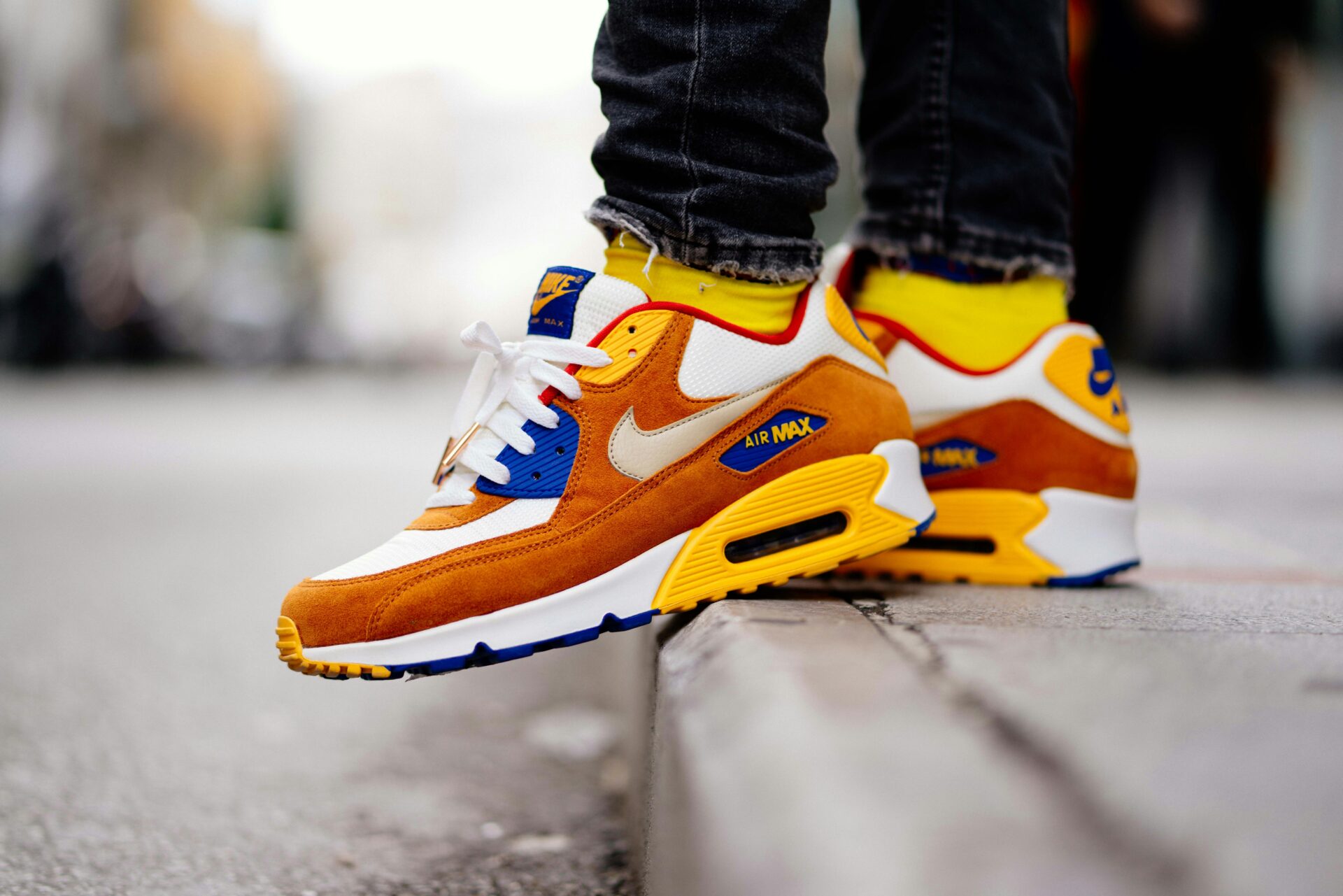
In the ever-evolving world of sneakers, the importance of a well-designed outsole has grown significantly. Traditionally, the focus for sneakers often revolved around upper designs, colorways, and brand identity. However, as technology and style continue to advance, outsoles are taking center stage in defining new trends and setting certain sneakers apart in the crowded market. Outsole design has become more than just a functional component of footwear—it is now an essential part of the aesthetic and performance appeal of the sneaker. Whether through unique tread patterns, innovative materials, or enhanced grip and stability, the sole of a sneaker is now as vital as the rest of the shoe in creating a product that consumers find appealing.
The Rise of Outsole Designs as Style Statements
In recent years, the trend of sneakers with bold and distinctive outsole designs has gained considerable traction. What was once primarily a functional part of the sneaker, providing traction and stability, has now become a key area for designers to express creativity and showcase the personality of the shoe. Fashion-forward sneaker brands are leveraging outsoles as a canvas for expression, adding intricate patterns, aggressive treads, and exaggerated shapes to create outsoles that command attention. This approach not only allows brands to differentiate their offerings but also caters to consumers looking for unique and statement-making sneakers. For those interested in making a statement beyond footwear, men’s t-shirts for sale also offer a bold avenue for showcasing personal style.
The shift toward outsoles as style statements can be seen in the way luxury and streetwear brands have embraced exaggerated and highly designed soles. Chunky and oversized outsoles, for example, became an iconic element of the “dad shoe” trend that dominated the sneaker scene a few years ago. Balenciaga’s Triple S sneaker, with its multi-layered, thick outsole, set a new standard for what a fashion-forward sneaker could look like. This sneaker’s distinct outsole became a defining feature and inspired countless other brands to create similar designs, emphasizing the importance of outsole aesthetics in modern sneaker design.
Moreover, sneaker collaborations between brands and designers often result in exclusive outsole designs that make each pair unique and desirable. For instance, Virgil Abloh’s work with Nike included creative, eye-catching sole designs that helped elevate the appeal of the collaboration and solidified it as a highly coveted collection among sneaker enthusiasts. Outsole designs have now become essential to the identity of collaborative sneakers, adding an element of exclusivity that appeals to collectors and fashion aficionados alike.
Function Meets Fashion: The Role of Technology in Outsole Innovation
While the outsole has taken on a new role as a style feature, it still serves a crucial functional purpose. In fact, the most successful outsole designs seamlessly blend form and function, using advanced technologies to enhance performance while making a visual impact. Technological advancements have enabled brands to create outsoles that are not only lightweight and comfortable but also feature enhanced durability, flexibility, and grip. Innovations in materials, like high-grade rubber compounds, carbon fiber inserts, and specialized cushioning systems, have made it possible to design soles that are both visually striking and capable of supporting athletes in high-intensity activities. Much like how a plumber in San Antonio uses the right tools to ensure systems run smoothly and efficiently, these advanced outsole features work together to provide optimal performance.
Nike, for example, has consistently pushed the boundaries of outsole technology, incorporating innovative materials and structures to improve performance. The Nike Air Max series introduced visible air cushioning units within the outsole, combining both visual and functional elements in a way that reshaped the sneaker industry. The air unit not only provided a unique look but also offered enhanced cushioning and support, making it an iconic feature. Similarly, Adidas’ Boost technology utilizes a unique foam material in the outsole that provides superior energy return, enhancing comfort and performance. The distinctive look and feel of Boost outsoles have contributed to their popularity among both athletes and casual wearers, solidifying their place in sneaker culture.
In addition to cushioning technologies, outsole designs also focus on specific needs like stability and traction. Basketball sneakers, for example, often feature outsoles with herringbone patterns, which provide excellent grip on the court, allowing for quick cuts and directional changes. In contrast, trail-running shoes incorporate rugged outsoles with deep lugs for optimal traction on rough terrain. Just as these designs are tailored to enhance performance, products like a libido enhancer are specifically formulated to support individual wellness needs. Each outsole is carefully engineered to support the unique demands of the activity, proving that function and design can coexist harmoniously.
Sustainability and Outsole Materials: A New Approach to Sneaker Design
As sustainability becomes an essential consideration for consumers and brands alike, the choice of materials for outsoles has gained renewed focus. Traditional rubber and synthetic compounds used in outsoles are not always environmentally friendly, and many brands are now experimenting with alternative materials that reduce the ecological footprint of their sneakers. Sustainable outsole materials, such as recycled rubber, plant-based compounds, and biodegradable elements, are helping to drive a new trend in sneaker design, appealing to eco-conscious consumers who want their footwear to reflect their values. Similarly, promotional products are increasingly being designed with sustainability in mind, allowing companies to align their branding with eco-friendly practices.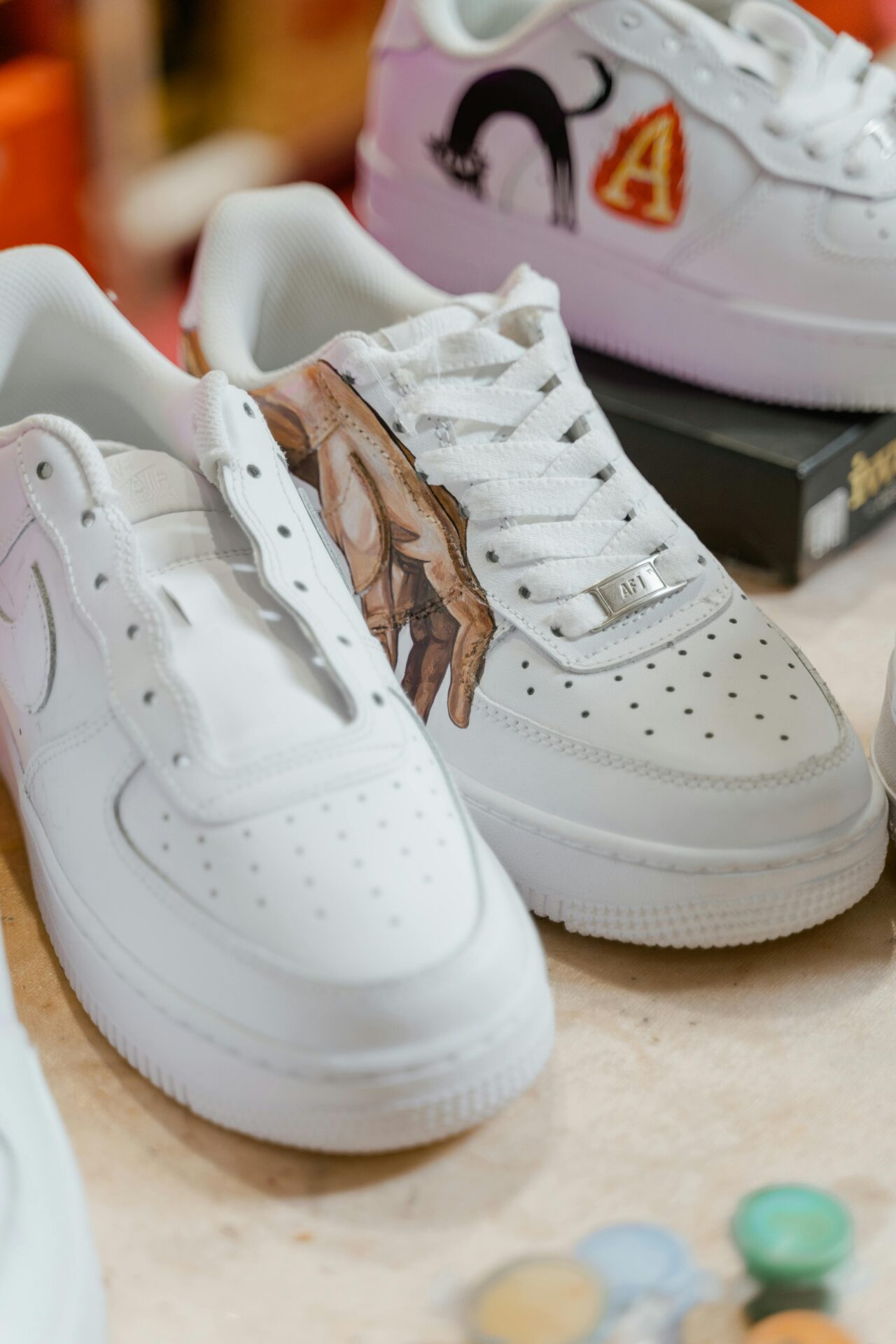
One example of this trend is Nike’s Move to Zero initiative, which aims to reduce the environmental impact of its products by using sustainable materials and methods. The Space Hippie collection, launched as part of this initiative, features outsoles made from a blend of recycled materials called “Nike Grind.” This material is crafted from manufacturing waste, old shoes, and scraps from previous products, demonstrating how innovation in outsole design can also be eco-friendly. By using Nike Grind in outsoles, the brand not only minimizes waste but also provides a unique visual texture that adds character to the shoes.
Adidas has also taken significant steps toward sustainability with its partnership with Parley for the Oceans, producing sneakers with outsoles made from ocean plastic. By utilizing recycled marine waste in their outsoles, Adidas is able to create functional, high-performance sneakers that also raise awareness about environmental issues. Sustainable outsole designs not only reduce the brand’s environmental impact but also help to foster a sense of purpose and responsibility among consumers. To further encourage eco-friendly purchases, Adidas often offers digital coupons that make sustainable products more accessible to a wider audience.
Sustainability-driven outsole designs extend beyond major brands, with independent and emerging sneaker companies embracing eco-friendly materials as a core part of their identity. For instance, brands like Allbirds and Veja prioritize sustainability in all aspects of their shoe design, including the outsole. Their commitment to using natural and recycled materials appeals to a growing market segment that values responsible manufacturing practices, setting an example for the larger sneaker industry to follow.
Customizable Outsoles: Catering to Individual Tastes and Preferences
Another fascinating trend in outsole design is the rise of customizable outsoles that cater to individual preferences. With the advancement of 3D printing and modular design concepts, it has become possible to create outsoles that are tailored to the needs and tastes of individual customers. Customizable outsoles can be adjusted in terms of color, tread pattern, and cushioning level, providing a truly personalized experience. This trend taps into the growing desire for unique products that reflect personal style, allowing customers to have a hand in the design process. Similarly, luxury rentals cater to those seeking a personalized and exclusive experience, offering tailored options that meet specific tastes and preferences.
Nike’s iD platform, for example, allows customers to personalize various elements of their sneakers, including the outsole color and style. Although this customization is mainly aesthetic, it highlights the importance of outsoles as a key element in sneaker design. Some companies are taking customization a step further by offering modular outsoles that can be replaced or swapped depending on the activity. This concept allows consumers to change their outsole to match different environments or performance needs, making the sneaker more versatile and functional.
Customizable outsoles are also popular among sneaker enthusiasts who want to stand out from the crowd. Unique outsole patterns, such as translucent soles, glow-in-the-dark options, and color-changing materials, add an extra layer of individuality to the sneaker, making it highly attractive to consumers who value exclusivity. By offering customizable options, brands can cater to a diverse audience, from athletes to fashion-conscious individuals, ensuring that there is a shoe for every taste.
The Future of Outsole-Driven Sneaker Trends
Looking forward, it is clear that outsole designs will continue to play a pivotal role in shaping sneaker trends. As technology advances, we can expect even more innovative designs that combine style, functionality, and sustainability. From lightweight materials that reduce energy consumption to smart outsoles that adapt to various surfaces, the possibilities are endless. Outsole designs will not only reflect aesthetic preferences but also meet the evolving needs of consumers, from athletes seeking high-performance shoes to casual wearers looking for comfort and durability. Much like the demand for HVAC in Charlotte NC, where innovation and efficiency are key, the future of outsole designs will be driven by the need for smarter, more adaptable solutions.
One potential future trend is the integration of smart technology into outsoles, creating sneakers that can monitor metrics like steps, speed, and impact. These tech-enhanced outsoles would be especially beneficial for athletes and fitness enthusiasts who want real-time feedback on their performance. By embedding sensors into the outsole, brands can offer a new level of functionality, allowing users to gain insights into their activity and improve their training. Similarly, Los Angeles movers use technology to streamline the moving process, offering real-time tracking and efficiency to enhance the overall experience.
Additionally, the emphasis on sustainability will likely lead to more eco-friendly outsole innovations. As new materials are developed and manufacturing processes become more efficient, the industry will likely see a shift towards outsoles made from renewable and biodegradable materials. The sneaker market is evolving rapidly, and brands that prioritize environmentally responsible practices will gain favor among consumers who are increasingly concerned about the planet. Similarly, the rise of vegan supplements reflects growing demand for products that align with ethical and sustainable choices, catering to health-conscious consumers who prioritize both personal well-being and environmental impact.
In conclusion, outsole designs have become a driving force in creating new sneaker trends. By blending aesthetics with functionality, exploring sustainable materials, and offering customizable options, brands are redefining what a sneaker can be. The future of sneakers lies in the sole—quite literally—as it serves as a foundation for style, innovation, and performance. Outsoles are no longer merely functional parts of a sneaker but are central to its appeal and identity, marking a new era in footwear design that values both form and purpose. Much like emergency restoration services in Charlotte, which focus on restoring balance and functionality, outsoles have become an essential element in maintaining the integrity and appeal of sneakers.