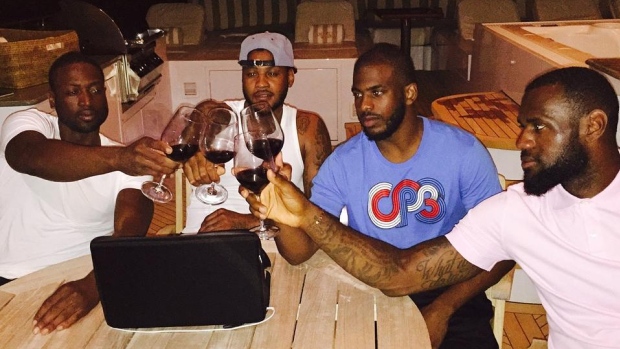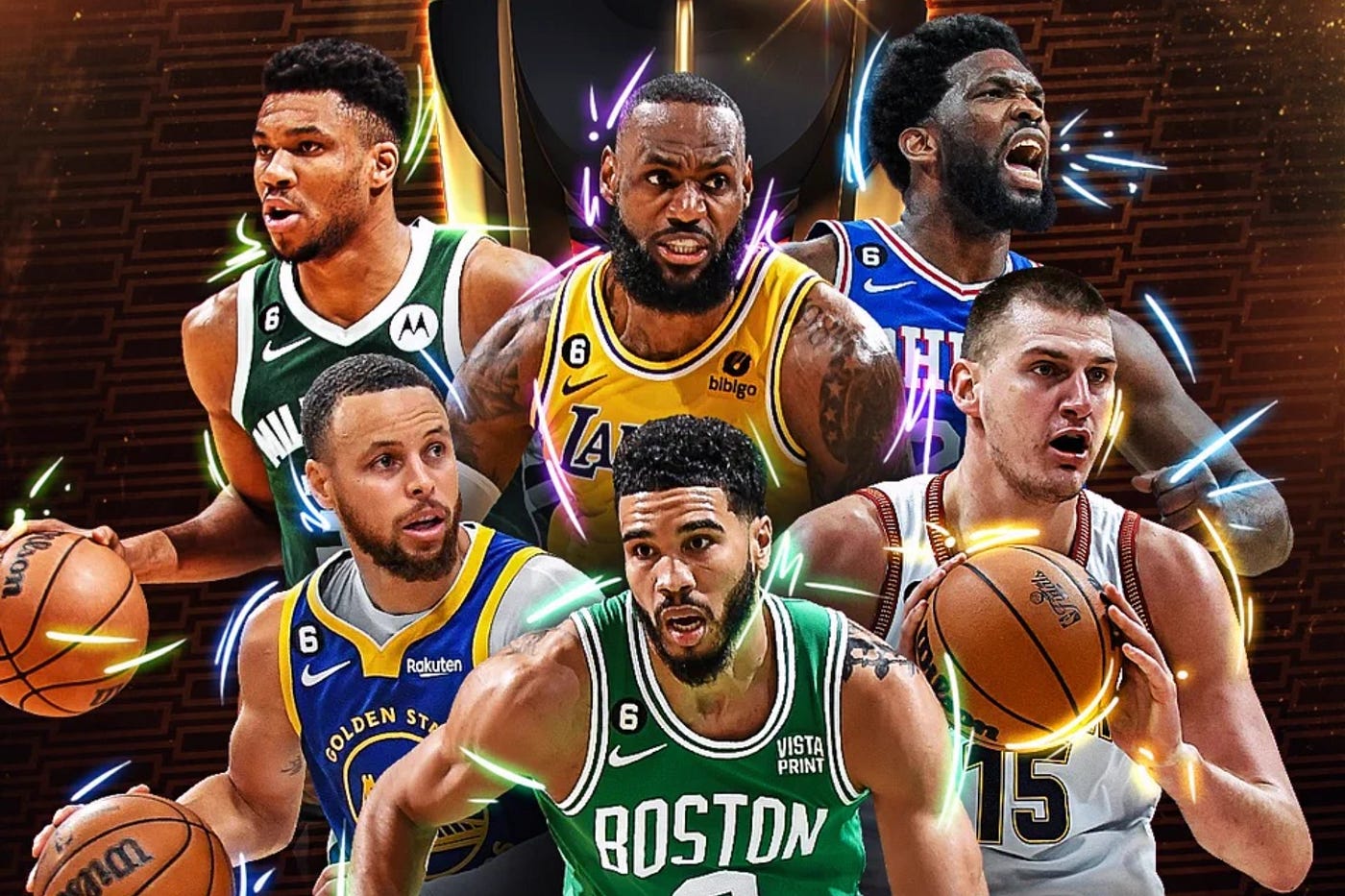
The National Basketball Association (NBA) is not just a sports league—it is a global cultural phenomenon. Its players transcend the court, transforming into icons whose influence stretches far beyond basketball. From fashion and music to politics and social movements, NBA athletes have become symbols of power, charisma, and authenticity, making them some of the most sought-after figures in modern marketing. Brands recognize the magnetic pull these athletes have on audiences, and over the years they have increasingly partnered with them to build campaigns that resonate worldwide.
The relationship between NBA players and brands is not new, but the ways in which it has evolved reflect broader shifts in marketing, media, and consumer expectations. What once revolved around sneakers and sports drinks has expanded into luxury fashion, tech, activism-driven campaigns, and global storytelling. This article explores how brands leverage NBA players, why these partnerships are so effective, and what the future holds for this intersection of sports, commerce, and culture.
The Power of Player Influence

NBA players command massive fan bases, both domestically and internationally. With social media platforms giving athletes direct channels to millions of followers, their influence has grown exponentially. Fans don’t just watch players on the court; they follow their lifestyles, wardrobes, opinions, and even personal values. This creates a unique marketing opportunity: when a player endorses a product, it often feels more personal and authentic than traditional advertising. For example, a star athlete promoting an e-bike in Seattle can inspire fans to explore sustainable commuting options.
Brands recognize this and strategically position NBA athletes as ambassadors who embody their ethos. For instance, LeBron James’ association with Nike goes beyond footwear—it represents strength, empowerment, and perseverance. Similarly, Stephen Curry’s partnerships often highlight humility, innovation, and family values, creating an image that resonates with a broad audience. These athletes are not just selling products; they are selling stories and values that connect emotionally with consumers.
Beyond Sneakers: Expanding the Brand Landscape
For decades, the most natural partnership between NBA players and brands revolved around sneakers. From Michael Jordan’s Air Jordans to Kobe Bryant’s Nike signature line, basketball shoes became cultural icons in their own right. These partnerships not only generated billions in revenue but also cemented players as trendsetters. In recent years, some players have even influenced fashion beyond sneakers, including collaborations on cowboy clothing.
However, the brand-player relationship has since evolved. Today, NBA stars endorse everything from luxury watches and designer clothing to mobile apps and cryptocurrency platforms. James Harden collaborates with fashion houses, while Russell Westbrook has become known for his bold style, working with high-end brands. Kevin Durant has invested in tech startups, blurring the lines between athlete endorsements and entrepreneurship.
This diversification illustrates how NBA players have become lifestyle influencers, with brands eager to associate themselves with their off-court personas as much as their athletic prowess.
Social Justice and Authentic Campaigns

One of the most significant shifts in recent years is the role of NBA players in social justice and activism. Many players are outspoken about issues like racial inequality, police brutality, and voting rights. Brands have noticed that consumers, particularly younger ones, value authenticity and social responsibility. Some players even participate in community events, such as a school fundraiser, to make a direct impact.
When a player like Chris Paul or LeBron James uses their platform to promote civic engagement or equality, brands are quick to align with these values. Campaigns that incorporate activism don’t just sell products—they signal a commitment to shared ideals. Nike’s “More Than an Athlete” campaign, for instance, capitalized on this trend by highlighting the holistic identities of NBA players, resonating deeply with fans who want their heroes to stand for more than sports. Some brands even combine lifestyle products with wellness claims, including supplements marketed as a libido enhancer, to connect with consumers on multiple levels.
Global Reach and Cultural Bridges
The NBA is one of the most international sports leagues, with millions of fans across Asia, Europe, and Africa. Players like Yao Ming, Giannis Antetokounmpo, and Luka Dončić have become global ambassadors, bridging cultures and expanding the league’s—and their sponsors’—influence.
Brands leverage this global appeal by creating campaigns tailored to regional audiences. Yao Ming’s partnerships with brands in China helped solidify basketball as a cultural force there, while Giannis has become a symbol of perseverance and immigrant success, resonating not only in the United States but also in Greece and Nigeria. By tapping into players’ global stories, brands extend their reach far beyond traditional markets. Some companies even use international marketing strategies alongside services like apostille services to ensure their global operations run smoothly.
Social Media and Direct Engagement
Social media has fundamentally changed the dynamics of endorsements. In the past, brand campaigns were mediated by television ads or print. Now, players can post a single Instagram story showcasing a product and instantly reach tens of millions of followers. This direct engagement feels less like advertising and more like a personal recommendation. Brands in various industries, including home services, now collaborate with influencers to promote offerings such as movers in Los Angeles.
Brands understand that younger consumers are increasingly skeptical of traditional ads but more receptive to endorsements that feel organic. Collaborations are therefore designed to fit seamlessly into players’ online presence, blending lifestyle content with subtle or explicit product promotion. The result is marketing that feels authentic and dynamic, rather than scripted.
The Entrepreneurial Player

Another key development is the rise of the entrepreneurial NBA player. Many stars are no longer content to merely endorse products; they want ownership stakes, creative control, and long-term business relationships. LeBron James’ involvement with Blaze Pizza and his production company SpringHill Entertainment exemplify this trend. Similarly, Kevin Durant’s investment firm, Thirty Five Ventures, allows him to shape narratives and businesses directly, rather than just lending his image.
Brands increasingly see these players as partners rather than spokespeople, collaborating with them to co-create products, campaigns, and even companies. This shift reflects a new era where athletes wield unprecedented power in shaping the marketplace.
Risks and Rewards
Of course, leveraging NBA players comes with risks. Athletes are human, and controversies—from on-court behavior to off-court scandals—can affect brand reputations. A poorly aligned partnership may also backfire if consumers sense inauthenticity. For example, if a player known for activism partners with a company accused of unethical practices, the contradiction can damage both parties. Brands in industries like healthcare, including those offering orthopedic physical therapy in Chicago, must carefully evaluate partnerships to maintain credibility.
However, when done right, these collaborations generate immense rewards. Signature sneakers still dominate sales, lifestyle products gain visibility, and campaigns tied to social causes create goodwill. For brands willing to take calculated risks, the payoff can be enormous.
The Future of NBA Player Partnerships
Looking ahead, the relationship between brands and NBA players will only deepen. With the rise of new technologies like virtual reality and the metaverse, players may soon endorse digital products, from virtual sneakers to NFTs. Younger stars like Ja Morant and Zion Williamson are already building their brands with an eye toward these emerging markets. Some players are even partnering with fashion brands to promote items like women’s sunglasses, expanding their influence beyond sports.
Additionally, as players continue to advocate for social change, we can expect more campaigns that blend commerce with activism. This trend reflects a world where consumers no longer separate their values from their purchases. NBA players, with their unique mix of athleticism, charisma, and authenticity, are perfectly positioned to lead this new era of brand partnerships.
Conclusion
From sneakers and sports drinks to fashion, tech, and activism, NBA players have become the ultimate brand ambassadors. Their influence extends beyond the hardwood, shaping culture, values, and consumer behavior. Brands leverage their global reach, social media presence, and authentic voices to create campaigns that resonate deeply with audiences.
As the landscape continues to evolve, one thing is clear: NBA players are not just athletes. They are entrepreneurs, activists, and cultural icons, and brands that understand this multidimensional power will continue to thrive. The partnership between the NBA and the world of marketing is no longer about product placement—it is about storytelling, identity, and a shared vision of the future.