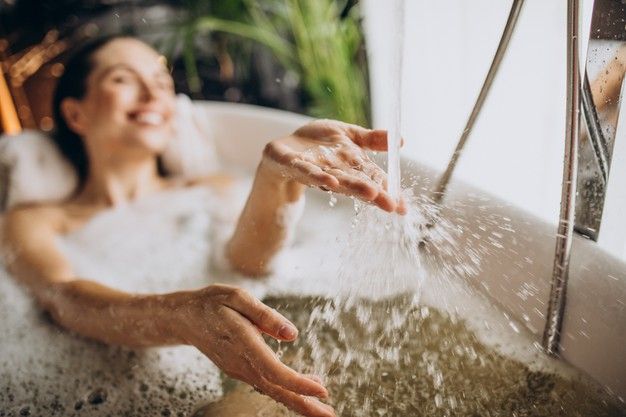
Soap is an essential part of our daily lives, but not all soaps are created equal when it comes to their environmental impact. While traditional soaps often rely on chemical-heavy formulations that can harm ecosystems, biodegradable soap offers a more eco-friendly alternative. Understanding the differences and their environmental implications can help you make a more sustainable choice.
The Environmental Impact of Traditional Soap
Traditional soaps are commonly made with synthetic ingredients, such as detergents, fragrances, and preservatives. While these formulations are effective at cleaning, they come with significant environmental drawbacks.
- Non-Biodegradable Components: Many traditional soaps contain synthetic chemicals that do not break down easily in the environment. When washed away, these chemicals can accumulate in waterways, harming aquatic life.
- Harmful Ingredients: Phosphates, sulfates, and parabens in traditional soaps can disrupt ecosystems, causing algae blooms that deplete oxygen levels in water and endangering fish and other organisms.
- Packaging Waste: Traditional soap often comes in plastic containers, contributing to the global plastic waste problem.
While traditional soaps may be convenient, their long-term effects on the environment are far-reaching and concerning.
How Biodegradable Soap Benefits the Planet
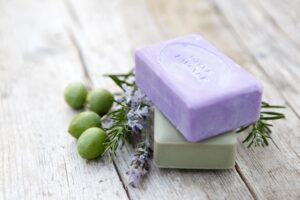
Biodegradable soaps are formulated to break down naturally without leaving harmful residues, making them a greener choice for everyday use.
- Eco-Friendly Ingredients: Biodegradable soaps are often made from natural ingredients like plant-based oils, essential oils, and organic extracts. These components decompose quickly and safely in the environment.
- Minimal Impact on Ecosystems: Because they break down entirely, biodegradable soaps are less likely to harm aquatic and terrestrial ecosystems. They are particularly useful for outdoor activities like camping, where soap residues could otherwise pollute natural water sources.
- Plastic-Free Options: Many biodegradable soaps are available in minimal or plastic-free packaging, reducing waste and supporting sustainable consumption.
Choosing biodegradable soap is a simple yet impactful way to reduce your ecological footprint and promote healthier ecosystems.
Making the Switch to Biodegradable Soap
Transitioning to biodegradable soap doesn’t have to be overwhelming. Here’s how you can incorporate this eco-friendly alternative into your routine:
- Look for Certifications: Check for certifications like USDA Organic, EcoCert, or cruelty-free labels to ensure the soap meets environmental standards.
- Opt for Solid Bars: Solid biodegradable soap bars are an excellent alternative to liquid soaps in plastic bottles. They last longer, are often more cost-effective, and reduce packaging waste.
- Educate Others: Share your knowledge about biodegradable soap with friends and family to encourage a wider shift toward sustainable living.
Making this small change can contribute to larger efforts to protect our planet’s resources and preserve its natural beauty for future generations.
Conclusion
The choice between traditional soap and biodegradable soap extends beyond personal preference; it reflects a commitment to environmental stewardship. By switching to biodegradable options, you can reduce pollution, protect ecosystems, and support a more sustainable future. Every small step counts in making a big difference for the planet.