When exploring Africa’s incredible biodiversity, most travelers are familiar with the iconic Big Five—lion, leopard, elephant, rhino, and buffalo. However, few know about their smaller yet equally fascinating counterparts: the Little Five. These creatures, named in playful contrast, offer a fresh perspective on the intricacies of Africa’s ecosystems. This unique comparison highlights the importance of appreciating both the grand and the minute in the animal kingdom.
The Big Five: Africa’s Majestic Giants
Originally named by hunters due to the difficulty and danger of tracking them on foot, the Big Five now represent the pinnacle of safari experiences for everyone who decides on a luxury safari in Africa.
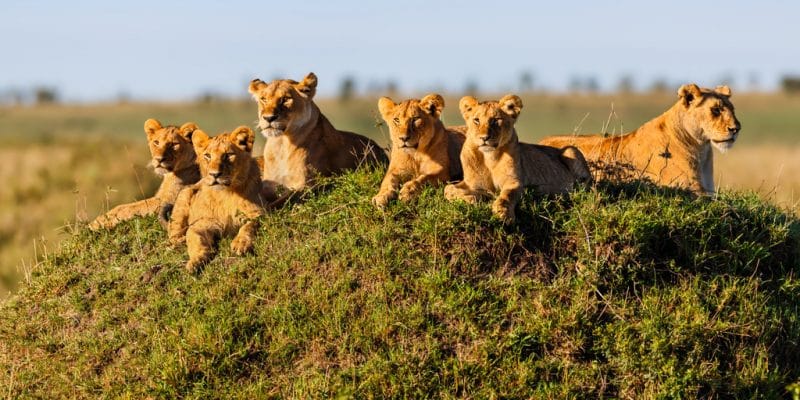
- Lion: Known as the “king of the jungle,” lions are symbols of strength and majesty. They roam savannahs and woodlands, with pride dynamics offering fascinating glimpses into their social behavior.
- Leopard: These elusive cats are masters of stealth, often spotted lounging in trees. Their beautiful spotted coats make them a favorite among wildlife photographers.
- Elephant: The largest land animals, African elephants are known for their intelligence and emotional depth. Witnessing their interactions within herds is a deeply moving experience.
- Rhinoceros: Both black and white rhinos face severe threats from poaching, but conservation efforts are helping to protect these prehistoric-looking creatures.
- Buffalo: Though less glamorous, the African buffalo is formidable, with its massive horns and unpredictable temperament.
Together, these animals showcase the grandeur and raw power of African wildlife, drawing visitors from around the world to experience them in their natural habitats.

The Little Five: Small Wonders of the Savannah
In contrast, the Little Five—buffalo weaver, elephant shrew, leopard tortoise, antlion, and rhinoceros beetle—offer an entirely different perspective on Africa’s wildlife.
- Buffalo Weaver: These industrious birds build large, communal nests in trees. While they lack the size of their mammalian counterpart, their social behaviors are just as intriguing.
- Elephant Shrew: With their long noses and incredible speed, elephant shrews are small insectivores often found darting through the underbrush.
- Leopard Tortoise: Named for its spotted shell, this tortoise is slow-moving but can live for decades, embodying patience and resilience.
- Antlion: These fascinating insects are known for their unique predatory behavior, creating sand traps to catch unsuspecting prey.
- Rhinoceros Beetle: With its striking horn-like structure, this beetle is an impressive example of the microcosmic world of insects.
The Little Five challenges us to notice the subtle and often overlooked aspects of African ecosystems, reminding us that every species plays a vital role in the environment.
Why Both Matter: A Holistic View of Wildlife
While the Big Five capture the imagination with their grandeur, the Little Five invites us to appreciate the smaller intricacies of nature. Together, they form a complete picture of Africa’s extraordinary biodiversity. Observing these animals in their habitats encourages a deeper respect for the interconnectedness of life.
Whether you’re marveling at a lion’s roar or the intricate nest of a buffalo weaver, Africa offers endless opportunities to connect with the natural world. Both the Big Five and the Little Five serve as reminders of the beauty, resilience, and diversity that make the continent a haven for wildlife enthusiasts.