Basketball is one of the most popular sports worldwide, with the NBA widely regarded as the pinnacle of professional basketball. The NBA’s global influence is unmatched — its players are international superstars, its games broadcast across continents, and its cultural impact felt in music, fashion, and lifestyle. Yet, in recent years, Asian basketball leagues have made significant strides to establish themselves on the global stage, providing compelling competition both on and off the court. From the Chinese Basketball Association (CBA) to the Philippine Basketball Association (PBA), and emerging leagues in Japan, South Korea, and Southeast Asia, these organizations are cultivating local talent, attracting international stars, and innovating fan engagement strategies to carve out their own niches amid the NBA’s towering presence.
This article explores how Asian basketball leagues compete with the NBA’s global influence by analyzing their growth strategies, talent development, cultural resonance, and international collaborations. These leagues are no longer just feeder systems or secondary markets; they are vibrant ecosystems pushing the boundaries of basketball’s global appeal.
Building Strong Domestic Foundations: Local Talent and Fan Engagement
The backbone of any successful basketball league is its domestic talent pool and fan base. Asian leagues have increasingly focused on nurturing homegrown players and creating a passionate, engaged audience that feels connected to the sport beyond mere entertainment. Unlike the NBA, which has long relied on a multinational mix of elite athletes, many Asian leagues emphasize developing national stars who embody their country’s basketball identity and culture. This focus on local engagement extends beyond the court, with leagues promoting events and merchandise, including winter apparel, to strengthen fan loyalty.
Take the Chinese Basketball Association (CBA), for instance. China’s basketball fervor runs deep, and the CBA has leveraged this passion by heavily investing in grassroots programs and youth academies. The league has implemented rigorous training systems to elevate local athletes’ skills, helping them compete at a higher level. The success of players like Yi Jianlian and Zhou Qi has not only lifted the CBA’s quality but also inspired millions of young Chinese to pursue basketball seriously. The league’s ability to produce local icons fuels fan loyalty in ways that NBA superstars sometimes cannot, especially among those who prefer rooting for homegrown talent.
Similarly, the Philippine Basketball Association (PBA), established in 1975, is Asia’s first professional basketball league and boasts a uniquely passionate fan base. In the Philippines, basketball is more than a sport—it’s a cultural phenomenon embedded in daily life. The PBA has capitalized on this by fostering stars like June Mar Fajardo and Japeth Aguilar who are household names. The league’s accessibility, with games often broadcast on free-to-air TV and robust social media presence, ensures basketball remains part of the Filipino identity. This grassroots connection is a critical advantage Asian leagues hold, as they provide a sense of belonging and pride that transcends the glamour of the NBA.
Beyond players, Asian leagues have also innovated fan engagement through local marketing, community outreach, and interactive experiences. Many leagues run basketball clinics, school partnerships, and charity events, which enhance their visibility and goodwill. Digital platforms tailored to local audiences, with commentary in native languages and culturally relevant content, deepen fan involvement. This strong domestic foundation is a strategic counterbalance to the NBA’s international broadcast dominance, allowing Asian leagues to thrive by reinforcing local connections that global brands can sometimes overlook.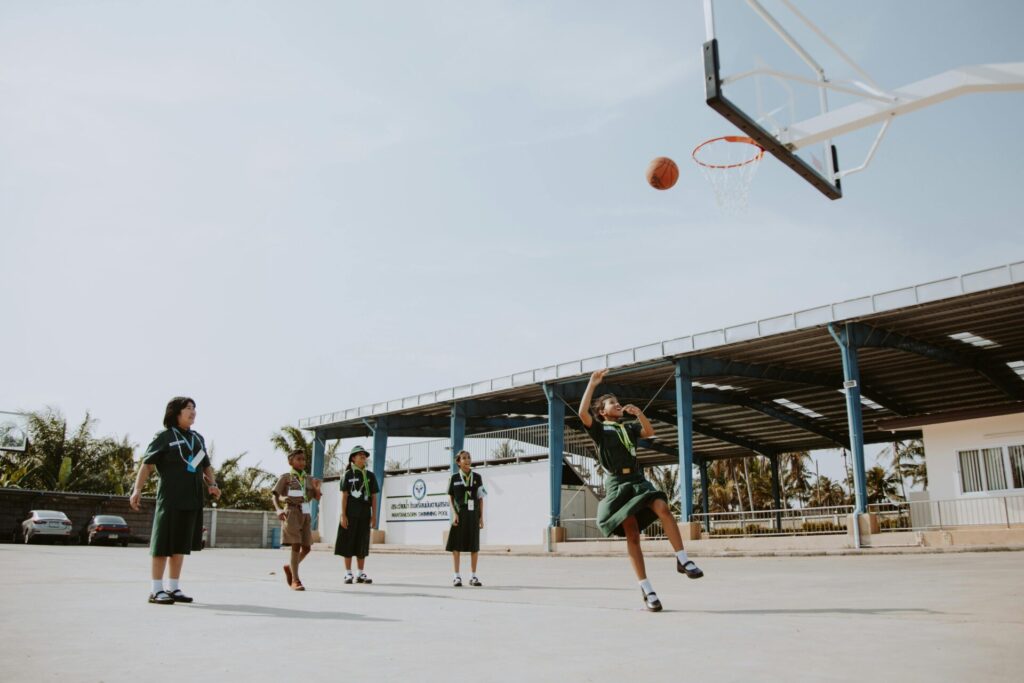
International Talent and Collaboration: Bridging Borders
One of the most visible ways Asian basketball leagues compete with the NBA is by attracting international talent and fostering cross-border collaborations. While the NBA is the global magnet for the best players worldwide, Asian leagues have made significant inroads by recruiting former NBA athletes, developing partnerships with international basketball organizations, and even co-hosting events that raise their global profile. Just as strategic positioning matters in sports, communities also value specialized services such as pain relief in Washington, MO, which highlights how localized expertise can gain broader recognition.
The Chinese Basketball Association is a prime example. Over the past two decades, the CBA has become a destination for numerous former NBA stars, such as Stephon Marbury, Tracy McGrady, and Jimmer Fredette. These players bring instant credibility, drawing attention from both domestic and international audiences. Stephon Marbury’s impact transcended the court; he became a cultural icon in China, winning multiple championships and even securing citizenship. The infusion of experienced international players has raised the competitive level of the league and offered local athletes opportunities to learn from NBA veterans firsthand.
Japan’s B.League has also adopted a hybrid approach, combining local talent with international imports to enhance competitiveness. Since its inception in 2016, the B.League has attracted players from the United States and other countries, creating a dynamic environment that balances domestic development with international flair. The league has leveraged this diversity to market itself abroad, organizing preseason games against NBA G League teams and participating in regional tournaments that boost exposure.
Collaboration extends beyond player recruitment. Asian leagues have entered into strategic partnerships with the NBA and other global basketball entities. For example, the NBA runs development programs and summer leagues in Asia, which help identify promising players and promote the sport. These partnerships create a symbiotic relationship rather than outright rivalry, enabling Asian leagues to learn from NBA best practices while cultivating their own distinct identities.
Moreover, joint tournaments and international exhibition games have become increasingly common. The NBA’s preseason games in Asia, often featuring local league players as guests or competitors, generate excitement and give Asian leagues valuable spotlight moments. These interactions highlight that Asian basketball is no longer isolated but part of a global ecosystem where talent and ideas flow across borders.
Embracing Innovation and Media to Capture New Audiences
In the age of digital media and streaming, the NBA’s global dominance has been powered by its savvy use of technology and content distribution. Asian basketball leagues, aware of this challenge, have innovated rapidly to harness the power of media, social platforms, and fan interaction tools to grow their audiences — especially among younger generations. Some leagues are even exploring strategies similar to real estate photography in showcasing their arenas and game experiences online, enhancing visual appeal and engagement.
Many Asian leagues have invested heavily in multi-platform broadcasting and live streaming, ensuring that fans can watch games easily, even on mobile devices. The availability of games with commentary in multiple languages, coupled with highlights, behind-the-scenes footage, and player interviews, creates a rich content ecosystem that keeps fans engaged beyond the game clock. This strategy is critical in countries where traditional TV might have limited reach or where younger fans prefer digital content.
Social media has become a battleground for capturing attention. Leagues like the Korean Basketball League (KBL) and Japan’s B.League maintain active Instagram, TikTok, and Twitter profiles, where they share viral clips, player interactions, and fan challenges. These efforts humanize athletes and build online communities that rival the NBA’s fan engagement. Additionally, some leagues have embraced esports and virtual basketball tournaments, tapping into the booming gaming culture that intersects with basketball fandom.
Asian leagues also innovate with fan experience inside arenas. Incorporating technology such as augmented reality, interactive fan zones, and real-time stats on mobile apps enhances live attendance appeal. This focus on immersive experiences makes attending games a cultural event, differentiating the leagues from simply being televised competitions. Some arenas have even started offering wellness features like a bio-well energy scan to engage fans beyond the game itself.
In marketing, many Asian leagues tailor campaigns to resonate with local values and trends, incorporating popular music, celebrity endorsements, and grassroots storytelling. This cultural relevance helps establish a strong brand identity distinct from the NBA’s more universal, commercial approach.
These media and innovation strategies demonstrate that Asian basketball leagues are not passively competing with the NBA; they are actively reinventing how basketball is consumed and celebrated in their regions. This localized yet tech-savvy approach enables them to thrive in a crowded entertainment landscape.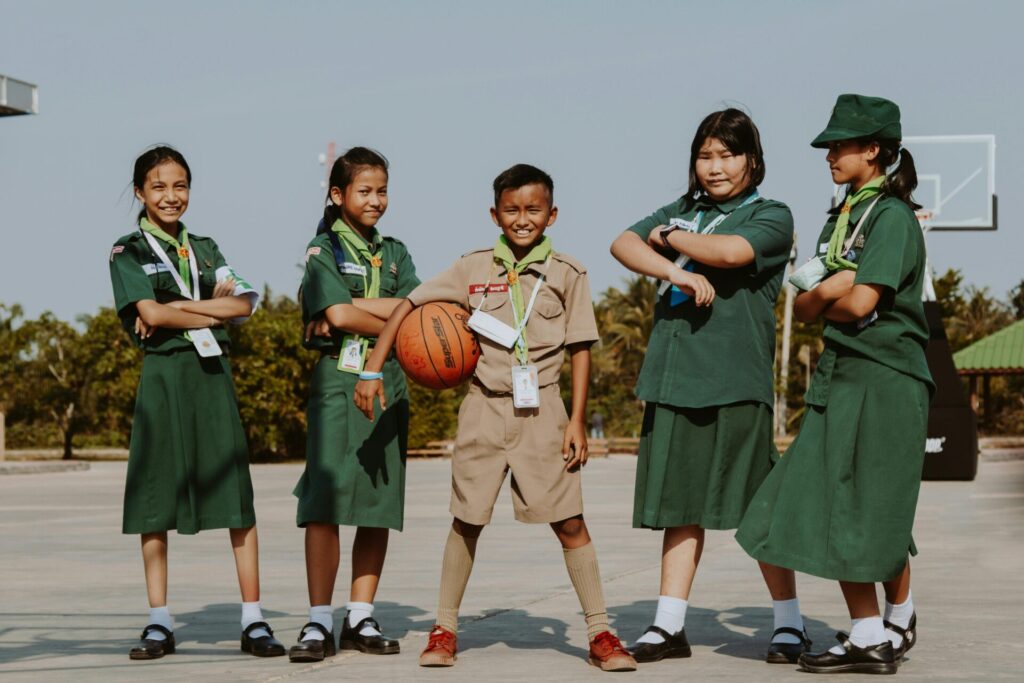
Conclusion: A Growing Force in Global Basketball
The NBA’s global influence is undeniably vast and powerful, but Asian basketball leagues have shown remarkable resilience and innovation in carving out their own spheres of influence. By building strong domestic foundations rooted in local talent and fan culture, actively attracting international players and partnerships, and embracing modern media and technology to engage new audiences, Asian leagues have created vibrant, competitive ecosystems that stand on their own merits.
The rise of the Chinese Basketball Association, the passionate Filipino PBA, Japan’s B.League, and other Asian leagues reflects a broader globalization of basketball, where multiple centers of excellence coexist rather than compete in zero-sum fashion. This pluralism enriches the sport and provides opportunities for fans worldwide to enjoy diverse styles, stories, and heroes. Fans can catch games after visiting a beauty bar in Flatiron, combining their love for basketball with local experiences.
While the NBA remains the ultimate benchmark, Asian basketball leagues have turned what was once a challenge into a powerful growth opportunity. They demonstrate that basketball’s future is multi-dimensional, shaped by local cultures, innovative business models, and global connectivity. In the coming years, as these leagues continue to expand their reach and improve their quality, the global basketball landscape will be more dynamic and exciting than ever.
Ultimately, the competition between Asian basketball leagues and the NBA is less about dominance and more about mutual growth, collaboration, and the shared passion for the game. This evolving relationship promises to take basketball to new heights — both on the court and in the hearts of fans across Asia and the world.