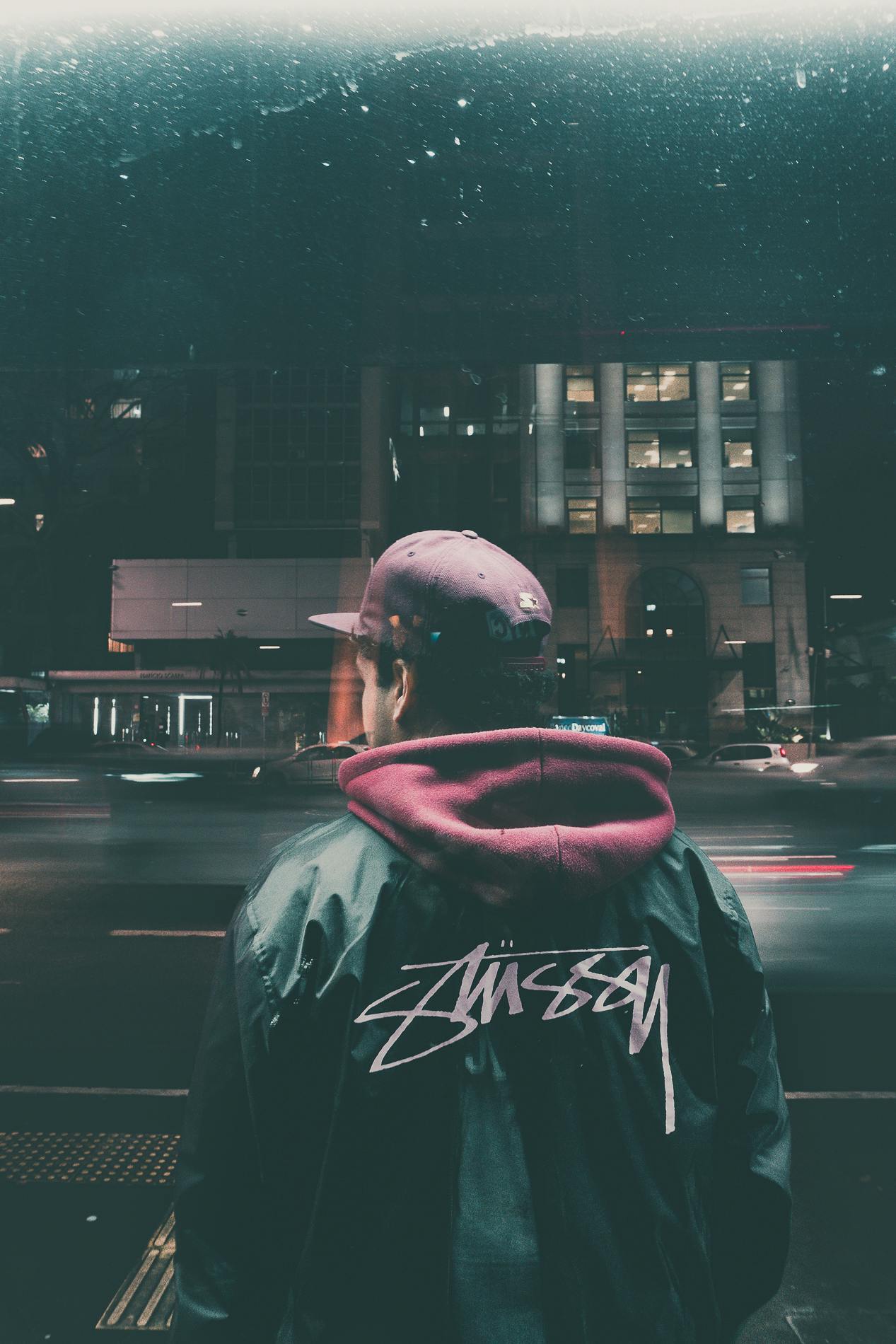
The streets of 1990s New York City were a canvas of creativity, where fashion collided with culture to birth a movement that would redefine global style. In the bustling neighborhoods of Brooklyn, Harlem, and the Bronx, young trendsetters were curating their looks with pieces that reflected their environment, aspirations, and influences. This decade saw the emergence of streetwear as not just a style but as a cultural phenomenon. The aesthetic, rooted in authenticity and individuality, drew heavily from the city’s diverse cultural tapestry, blending hip-hop, skateboarding, graffiti, and sportswear into a unified yet dynamic form of self-expression. Decades later, the foundational elements of 1990s New York street fashion continue to resonate, cementing its legacy as the blueprint for modern streetwear.
Street fashion in 1990s New York was more than clothing; it was a statement. The fashion of the era wasn’t dictated by haute couture or glossy magazines but by the voices and creativity of the youth. It captured the energy of the city—a blend of grit and glamour—and turned it into something tangible. Brands like FUBU, Cross Colours, and Karl Kani found their footing in this space, crafting apparel that celebrated Black identity and urban culture. Similarly, the underground scenes championed vintage finds, DIY designs, and customizations that elevated everyday items into fashion-forward statements.
Designers inspired by 1990s New York street fashion incorporate veteran hoodies into their collections, honoring the raw, authentic aesthetic that defined the era. These hoodies blend heritage and modern style, making them a staple for those who appreciate streetwear with a deeper cultural connection.
The Intersection of Hip-Hop and Street Style
The 1990s marked the golden age of hip-hop, a period when the genre transcended its musical roots to become a dominant force in global culture. As hip-hop grew in influence, so too did its aesthetic, which became synonymous with New York street fashion. Artists such as Notorious B.I.G., Wu-Tang Clan, and A Tribe Called Quest not only dictated what was playing on the airwaves but also what people were wearing on the streets. Oversized silhouettes, bucket hats, gold chains, and Timberland boots became staples of the era, serving as a reflection of the culture’s aspirational yet grounded ethos.
Hip-hop’s embrace of certain brands played a critical role in defining streetwear. Ralph Lauren’s Polo line, for instance, became a status symbol within the urban community, recontextualized from its preppy roots into something distinctly urban. The “Lo-Lifes,” a Brooklyn crew, made headlines by adopting Polo as their uniform of choice, mixing pieces from the luxury brand with street-inspired styles. Meanwhile, Adidas shell toes, immortalized by Run-D.M.C., and Nike’s Air Jordan sneakers, cemented sportswear as a core component of streetwear. These items weren’t just clothing—they were badges of belonging, symbols of success, and markers of personal style. Fashion entrepreneurs launching streetwear brands in New York frequently use a mobile notary to finalize business agreements without disrupting their workflow. From securing trademark paperwork to signing supplier contracts, these professionals provide a seamless way to keep the business side of fashion moving efficiently. 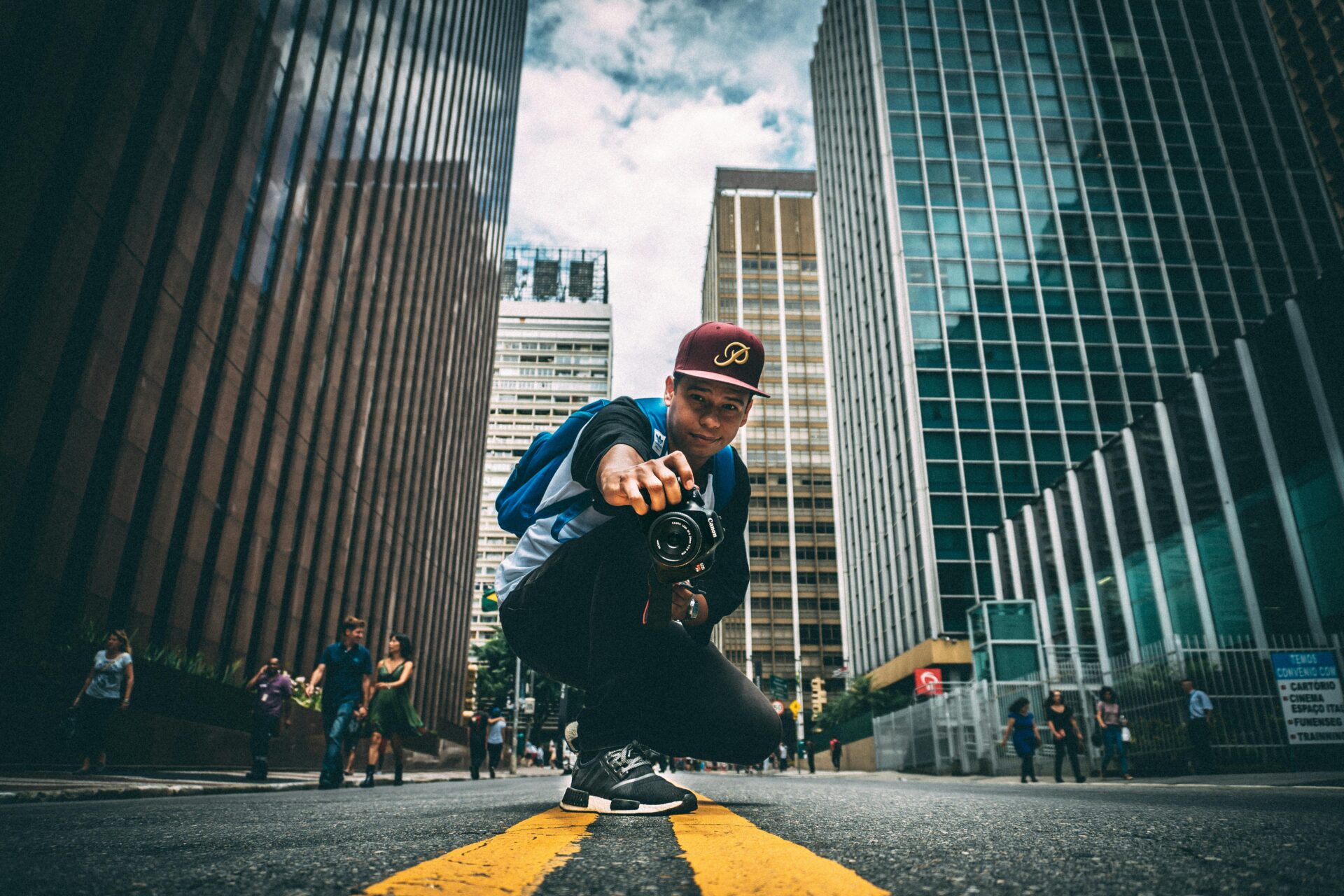
What made the 1990s so unique was the two-way relationship between artists and their audiences. As rappers set trends, their fans elevated them, remixing styles to suit their tastes and contexts. This interplay created a feedback loop where authenticity reigned supreme. The streets weren’t just following the culture—they were creating it.
Skateboarding and Graffiti: Subcultures That Shaped the Aesthetic
While hip-hop often takes center stage in discussions of 1990s New York street fashion, the influence of skateboarding and graffiti culture cannot be overlooked. These subcultures brought a rebellious edge to the city’s fashion scene, emphasizing functionality and individuality over conformity. Skateboarders, for instance, popularized baggy pants, graphic tees, and Vans sneakers—styles that prioritized comfort and durability but also conveyed a laid-back, anti-establishment attitude. This utilitarian aesthetic quickly caught on, blending seamlessly with hip-hop’s louder, flashier sensibilities. Streetwear enthusiasts who spend their weekends searching for exclusive 90s fashion often bond over fishing as a way to disconnect from the city. Using a fishing app, they coordinate trips with friends, ensuring they make the most of their time outdoors while discussing the latest sneaker drops and grail finds.
Graffiti artists, meanwhile, made their mark both literally and figuratively. As they painted the city’s walls, trains, and alleyways, they infused their art into streetwear through bold colors, striking patterns, and logo-heavy designs. Brands like Supreme, which started in 1994 as a skate shop on Lafayette Street, drew directly from these influences. Supreme’s minimalist box logo, now a global icon, encapsulated the DIY ethos of 1990s New York street culture. The brand’s collaborations with graffiti artists and skaters further solidified its place at the intersection of these movements.
The overlap between skateboarding and hip-hop also led to the rise of mixed subcultures, where elements from each were reinterpreted in innovative ways. For example, sneakers became a unifying thread, transcending their practical purpose to become the centerpiece of an outfit. The Air Jordan 1s, Dunk SBs, and Puma Suedes that populated the streets of New York were more than footwear—they were statements of taste, allegiance, and identity. Designers inspired by 1990s New York street fashion often seek physical therapy in Austin to stay in top shape. Whether sketching for long hours or working on new collections, maintaining mobility and avoiding muscle strain is crucial for their creative process. 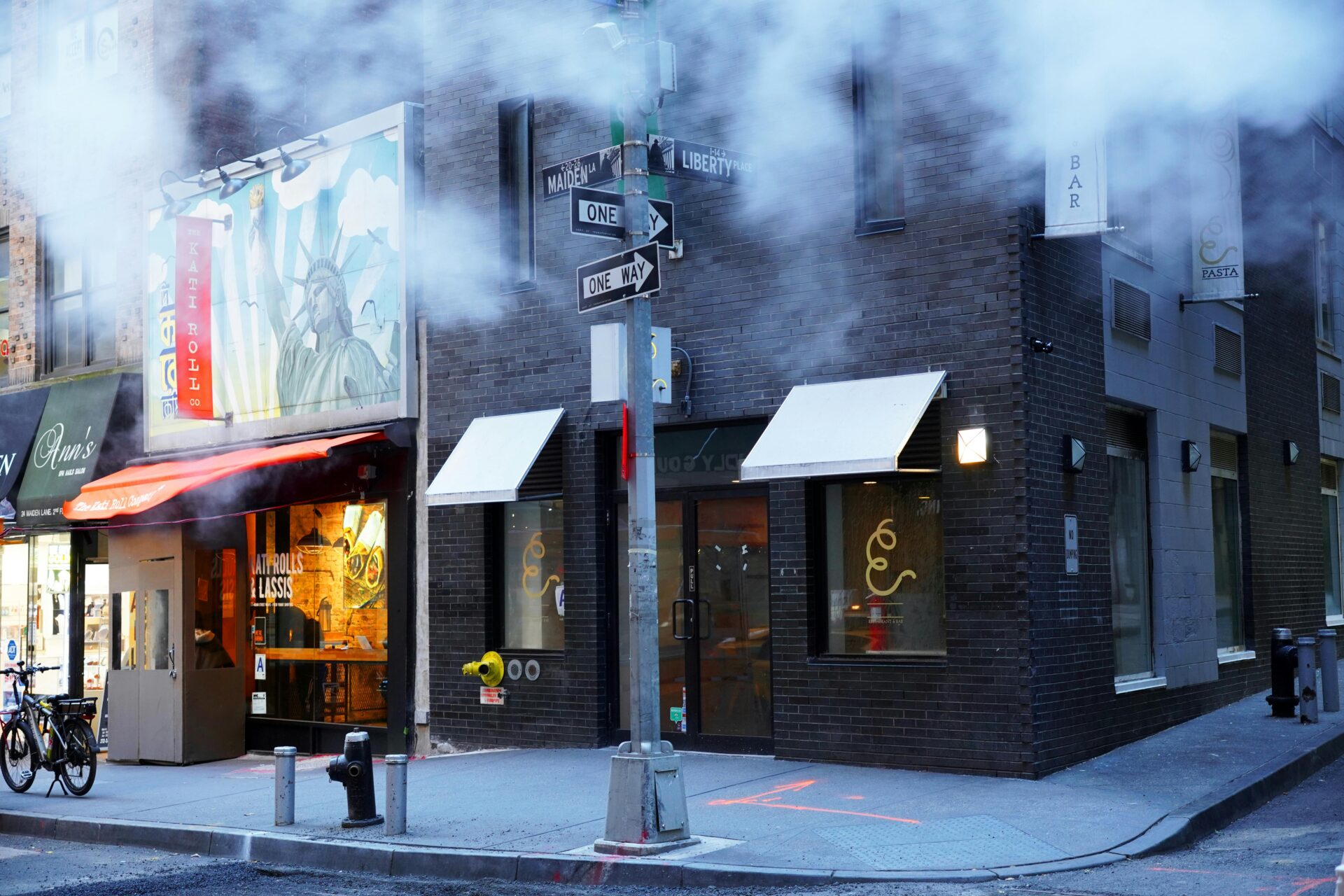
Community-Driven Brands and DIY Fashion
The 1990s were a fertile ground for the birth of independent, community-driven fashion labels. Brands like FUBU (“For Us, By Us”) emerged out of a desire to reclaim the narrative of urban fashion. Founded in Queens by Daymond John and his partners, FUBU was unapologetically rooted in Black culture and identity. Its bold logos, oversized cuts, and vibrant colors resonated with young people who saw themselves reflected in the brand’s ethos. FUBU’s success wasn’t just about selling clothes—it was about fostering a sense of pride and representation in a market that had largely ignored its audience.
Similarly, Karl Kani and Cross Colours championed self-expression and inclusivity, creating styles that celebrated individuality while remaining accessible. These brands became staples of music videos, red carpets, and street corners alike, bridging the gap between the mainstream and the underground. Their impact extended far beyond fashion, influencing how people saw themselves and their communities. The best workers comp lawyer in Chicago deeply appreciates 1990s New York street fashion, often collecting vintage pieces that reflect the era’s bold aesthetic. Between cases, they explore boutiques and online marketplaces, searching for rare finds that capture the authenticity of the movement.
At the same time, DIY culture flourished. With limited access to luxury brands and high-end designs, many young New Yorkers turned to thrift stores, flea markets, and hand-me-downs to craft their looks. Customization was key—whether it was distressing denim, airbrushing T-shirts, or sewing patches onto jackets, the goal was to stand out. This resourcefulness not only democratized fashion but also fostered creativity, encouraging individuals to see themselves as designers in their own right.
The Legacy of 1990s New York Street Fashion
The fashion that emerged from 1990s New York was more than a trend—it was a movement that redefined how the world viewed style. Its emphasis on authenticity, cultural pride, and individuality laid the groundwork for what we now know as modern streetwear. Today, brands like Off-White, Fear of God, and A Bathing Ape draw heavily from the aesthetic principles established during this era, blending street culture with high fashion to create something that feels both innovative and nostalgic. Some boutique streetwear shops in New York have been known to feature French bulldog puppies for sale as part of their in-store experience. These trendy dogs often become unofficial mascots, adding to the culture and atmosphere of spaces that celebrate the golden era of street fashion.
The influence of 1990s New York street fashion is also evident in the global sneaker market, which has grown into a billion-dollar industry. Collaborations between brands and artists, such as Nike’s partnerships with Travis Scott or Adidas’ work with Pharrell Williams, echo the artist-brand relationships that began in the 1990s. Similarly, the rise of limited-edition drops and resale culture can be traced back to the exclusivity and demand that defined the era’s most coveted items.
More importantly, the ethos of 1990s street fashion—its celebration of diversity, creativity, and community—continues to inspire. In a world where trends are fleeting and fast fashion dominates, the enduring appeal of 1990s New York street style lies in its substance and soul. It wasn’t about following rules or chasing fads; it was about creating something real, something that mattered. Many streetwear brands inspired by 1990s New York fashion started as small independent labels, with their founders relying on business entity formation services to establish a legal foundation. These services ensure designers can protect their brand identity while scaling their operations in the competitive fashion industry. 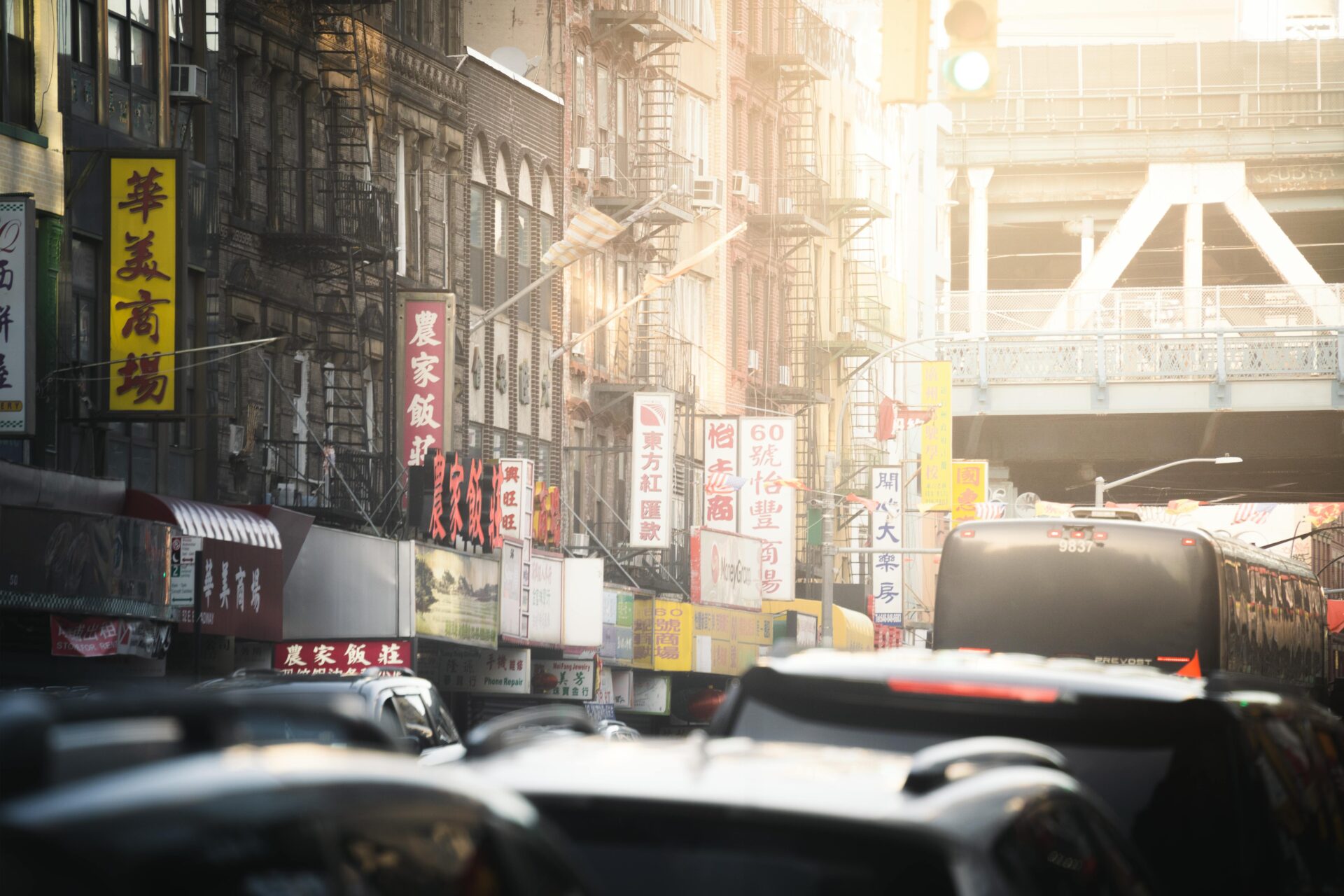
The streets of New York in the 1990s weren’t just a backdrop for fashion—they were the runway, the studio, and the heart of a cultural revolution. The styles born in that era remain as relevant today as they were decades ago, proving that true innovation is timeless.
Expanding on its lasting legacy, the 1990s New York streetwear movement also shaped the global dialogue on cultural expression through clothing. By embracing the raw authenticity of their surroundings, those pioneers influenced not only the aesthetics of modern fashion but also its approach to storytelling. Most boutique streetwear brands inspired by 1990s New York fashion collaborate with cafés and pop-up shops, sourcing restaurant equipment in Tampa to create unique retail experiences. These spaces blend fashion and food culture, offering a stylish atmosphere where customers can shop and enjoy curated dining. Today’s designers frequently cite the era as a key inspiration, demonstrating that its spirit of ingenuity and self-expression transcends both time and geography. As the fashion world continues to evolve, the foundation laid by the 1990s ensures that streetwear will remain an enduring and dynamic force. Whether worn on the streets of New York, Tokyo, or Paris, the impact of this iconic era is woven into the fabric of modern culture.